

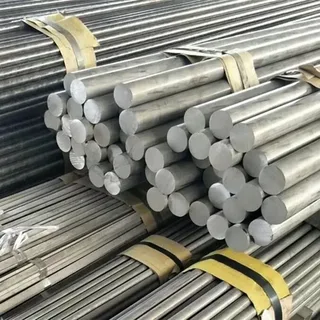
In today’s industrial landscape, aluminium plays a vital role due to its lightweight nature, strength, and corrosion resistance. Among its many forms, aluminium rods are widely used across sectors such as construction, electrical engineering, transportation, and manufacturing. Understanding the Manufacturing Process and Uses of Aluminium Rod helps businesses and engineers choose the right material for efficiency, durability, and cost-effectiveness.
What Is an Aluminium Rod?
An aluminium rod is a solid, cylindrical product made from aluminium or aluminium alloys. It is available in various diameters, lengths, and grades depending on its intended application. Thanks to aluminium’s excellent thermal and electrical conductivity, rods made from this metal are especially valued in both structural and functional uses.
Manufacturing Process of Aluminium Rods
Raw Material Preparation
The process begins with high-purity aluminium ingots or billets. These are often alloyed with elements such as magnesium, silicon, or copper to enhance specific properties like strength or flexibility.
Melting and Casting
The aluminium billets are melted in high-temperature furnaces. Once molten, the metal is cast into cylindrical shapes through continuous casting or direct chill casting. This step ensures uniformity in composition and structure.
Extrusion and Rolling
After casting, the aluminium is heated and passed through extrusion dies to form rods of precise diameters. Rolling processes may also be used to improve surface finish and mechanical strength.
Heat Treatment and Finishing
Heat treatment enhances hardness and durability, while finishing processes such as cutting, polishing, or anodizing prepare the rod for its final application. Quality checks are conducted to ensure compliance with industry standards.
Understanding the Manufacturing Process and Uses of Aluminium Rod in Industry
Aluminium rods are used in a wide range of industries due to their versatility and performance advantages.
Construction and Infrastructure
In construction, aluminium rods are used for frameworks, supports, and architectural components. Their corrosion resistance makes them suitable for both indoor and outdoor applications.
Electrical and Power Applications
Because aluminium is a good conductor of electricity, rods are commonly used in power transmission systems, electrical fittings, and grounding applications.
Automotive and Transportation
The automotive and aerospace industries use aluminium rods to manufacture lightweight components that improve fuel efficiency without compromising strength.
Manufacturing and Fabrication
Aluminium rods are frequently machined into fasteners, shafts, and precision parts used in industrial machinery and equipment.
Advantages of Aluminium Rods
- Lightweight yet strong
- Excellent corrosion resistance
- High thermal and electrical conductivity
- Easy to machine and fabricate
- Cost-effective compared to many other metals
These benefits make aluminium rods a preferred choice across multiple sectors.
Conclusion
As industries continue to prioritize efficiency, sustainability, and performance, aluminium rods remain an essential material. By Understanding the Manufacturing Process and Uses of Aluminium Rod, businesses can make informed decisions that enhance product quality and operational efficiency while meeting modern engineering demands.
