

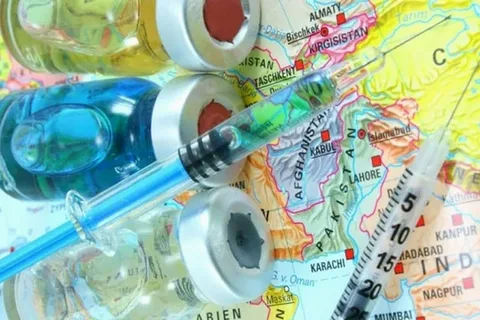
Traveling abroad is an exciting adventure, but it comes with health risks that should not be overlooked. Whether you’re exploring bustling cities, remote villages, or tropical beaches, taking preventive measures is key. One of the most effective ways to protect yourself is by understanding travel vaccinations. This guide will help you navigate the essential steps to stay safe while abroad.
Why Travel Vaccines Matter
When planning a trip, many travelers focus on flights, accommodations, and sightseeing but often neglect their health. Travel vaccines protect you from diseases that are common in certain regions but rare at home. For example, illnesses like yellow fever, typhoid, and hepatitis A can be life-threatening if left untreated. By getting vaccinated before your trip, you significantly reduce your risk of falling ill abroad.
Common Vaccines for International Travelers
Depending on your destination, different vaccines may be recommended. Some of the most common travel vaccines include:
- Hepatitis A and B: Important for travelers to regions with limited sanitation or healthcare access.
- Typhoid: Essential if you are visiting parts of Asia, Africa, or Latin America.
- Yellow Fever: Required for travel to certain tropical countries in Africa and South America.
- Tetanus, Diphtheria, and Pertussis (Tdap): A general preventive measure for any traveler.
- Influenza: Annual flu shots are recommended for travel during flu season.
Consulting with a travel health clinic 4–6 weeks before your departure ensures you have enough time to complete any necessary vaccine series.
Tips for Staying Healthy Abroad
While vaccines provide critical protection, other precautions complement your health strategy:
- Practice good hygiene: Wash hands frequently and use hand sanitizer.
- Drink safe water: Stick to bottled or filtered water in areas with questionable water quality.
- Be cautious with food: Avoid raw or undercooked meals and street food that may carry bacteria.
- Use insect repellent: Protect yourself from mosquito-borne illnesses such as malaria or dengue.
By combining vaccines with these preventive measures, you can enjoy your travels with peace of mind.
Planning Ahead for a Safe Trip
Before traveling, research the health risks in your destination and schedule a consultation with a qualified travel medicine specialist. Keep a record of your vaccinations, and check whether your destination requires proof of certain immunizations. Staying informed and proactive is the cornerstone of safe international travel.
Traveling shouldn’t compromise your health. By following this guide on how to stay healthy abroad: a guide to travel vaccines, you can ensure a safe and memorable journey while minimizing your risk of preventable illnesses.
