

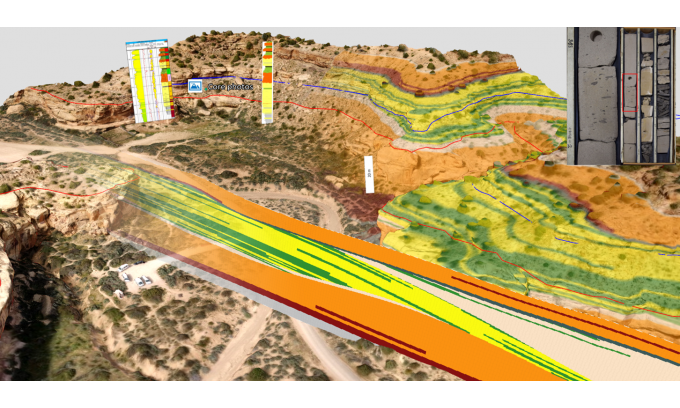
Geospatial mapping has emerged as a critical tool for a variety of industries, from urban planning to environmental monitoring. With advancements in satellite technology, drones, and Geographic Information Systems (GIS), the ability to collect, analyze, and visualize spatial data has never been more sophisticated. However, along with its potential, geospatial mapping presents both challenges and opportunities that organizations must navigate to maximize its benefits.
Understanding Geospatial Mapping
Geospatial mapping refers to the process of collecting, storing, and analyzing geographic data to create visual representations of physical spaces. This technology allows decision-makers to understand spatial patterns, make data-driven decisions, and anticipate trends. From mapping urban infrastructure to monitoring climate change, geospatial mapping serves as a foundation for modern analytics.
Challenges in Geospatial Mapping
Despite its many advantages, geospatial mapping faces several significant challenges:
1. Data Accuracy and Quality
One of the biggest challenges in geospatial mapping is ensuring the accuracy and quality of the data collected. Errors in satellite imagery, sensor malfunctions, or incomplete data can lead to incorrect interpretations, which may impact planning and decision-making.
2. High Costs and Technical Expertise
Collecting and processing geospatial data can be expensive. High-resolution satellite imagery, drones, and advanced GIS software require considerable investment. Additionally, specialized knowledge is required to operate these tools effectively, which can limit accessibility for smaller organizations.
3. Data Privacy and Security
As geospatial mapping often involves sensitive location data, privacy and security concerns are paramount. Unauthorized access to this data can lead to misuse, making compliance with data protection regulations a critical challenge.
Opportunities in Geospatial Mapping
Despite the challenges, there are substantial opportunities in geospatial mapping that can transform industries:
1. Enhanced Decision-Making
By integrating geospatial data into analytics, organizations can make better-informed decisions. Urban planners can optimize transportation networks, while environmentalists can monitor deforestation and natural disasters in real-time.
2. Technological Advancements
Emerging technologies, such as AI-powered GIS and real-time satellite imagery, are expanding the potential of geospatial mapping. These advancements enable more precise mapping and predictive analysis, unlocking new insights for businesses and governments alike.
3. Sustainable Development and Planning
Geospatial mapping offers opportunities to support sustainable development. By analyzing spatial patterns, policymakers can plan smarter cities, manage resources efficiently, and mitigate environmental risks.
Conclusion
The field of geospatial mapping presents a dynamic mix of challenges and opportunities. While issues such as data accuracy, cost, and privacy pose obstacles, the potential for enhanced decision-making, technological innovation, and sustainable planning makes it a highly valuable tool. Organizations that effectively address these challenges can harness the full potential of geospatial mapping to drive growth and innovation.
