

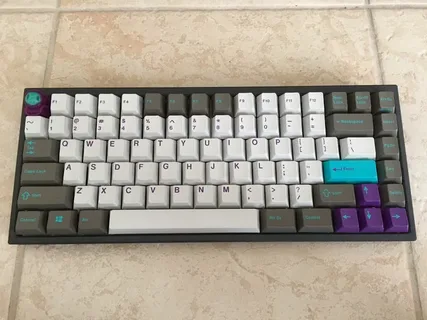
In today’s world, where desk space is often at a premium, every square inch counts. If you’re a typist, gamer, or professional looking to maximize your workspace, switching to a compact keyboard might be the key. Among the various sizes of keyboards available, the 75 keyboard stands out as a top choice for those who need a compact and efficient solution. This article explores the advantages of using a 75% keyboard and how it can help you reclaim valuable desk space without sacrificing performance or comfort.
What is a 75% Keyboard?
A 75% keyboard is a compact variant of the standard full-size keyboard. It retains the essential function keys, number row, and arrow keys but eliminates the number pad and some of the extra keys found on a full-size layout. Typically, a 75% keyboard includes around 84-87 keys, making it smaller than the 104-key full-size model. Despite its smaller size, it provides a similar typing experience, with most of the crucial keys easily accessible.
Key Features of a 75% Keyboard:
- Compact Layout: Eliminates the number pad and reduces overall size.
- Functionality: Maintains the key rows you use most often (e.g., function keys, arrow keys).
- Ergonomics: Often more comfortable for typing with less hand movement due to the closer proximity of keys.
Benefits of a Compact and Efficient Keyboard
Switching to a compact and efficient 75% keyboard can offer several key advantages, especially for those looking to optimize their workspace.
1. Maximize Desk Space
The most immediate benefit of a 75% keyboard is the significant reduction in size compared to a full-size keyboard. For users with limited desk space—such as those in shared offices, small apartments, or minimalist workspaces—a smaller keyboard allows for more freedom to organize your desk. This extra space can be used for other important items like a mouse, notebook, or even additional monitors.
2. Improved Typing Comfort
Even though the 75% keyboard is more compact, it still provides a comfortable typing experience. With fewer keys spread out across a smaller surface, your hands are naturally closer together, leading to less strain on your wrists and arms. This can be a significant advantage for those who type for extended periods and are seeking a more ergonomic solution.
3. Enhanced Portability
Because of its compact size, a 75% keyboard is also much more portable than a full-size keyboard. If you work remotely or need to travel often, you can easily carry a 75% keyboard in your backpack or carry case without the bulk of a traditional keyboard. This makes it a great option for digital nomads or people who frequently move between workspaces.
How a 75% Keyboard Can Boost Productivity
Despite its smaller size, a 75% keyboard does not compromise functionality. In fact, many users find that it can actually improve their productivity. The layout is efficient, with keys arranged in a way that makes sense for everyday tasks, like typing and navigating documents.
1. Faster Access to Keys
With fewer keys and a more condensed layout, you won’t have to stretch your hands as far to reach certain buttons. This can reduce typing fatigue and increase your overall speed. Moreover, the absence of the number pad means that the keyboard is more symmetrical, and you can place your mouse closer to the center of your desk, reducing unnecessary hand movement.
2. Customization Options
Many 75% keyboards offer programmable keys, allowing users to customize their key functions. Whether you need to set up macros for gaming or streamline repetitive tasks for work, a customizable layout makes it easier to work more efficiently.
Conclusion: A Compact and Efficient Choice for Your Desk
A 75% keyboard is the perfect balance between size and functionality. By opting for this compact and efficient keyboard, you can free up desk space without sacrificing the quality of your typing experience. Whether you’re a professional looking for an ergonomic solution or a minimalist in need of a portable option, a 75% keyboard provides an excellent solution to maximize desk space and improve productivity.
