

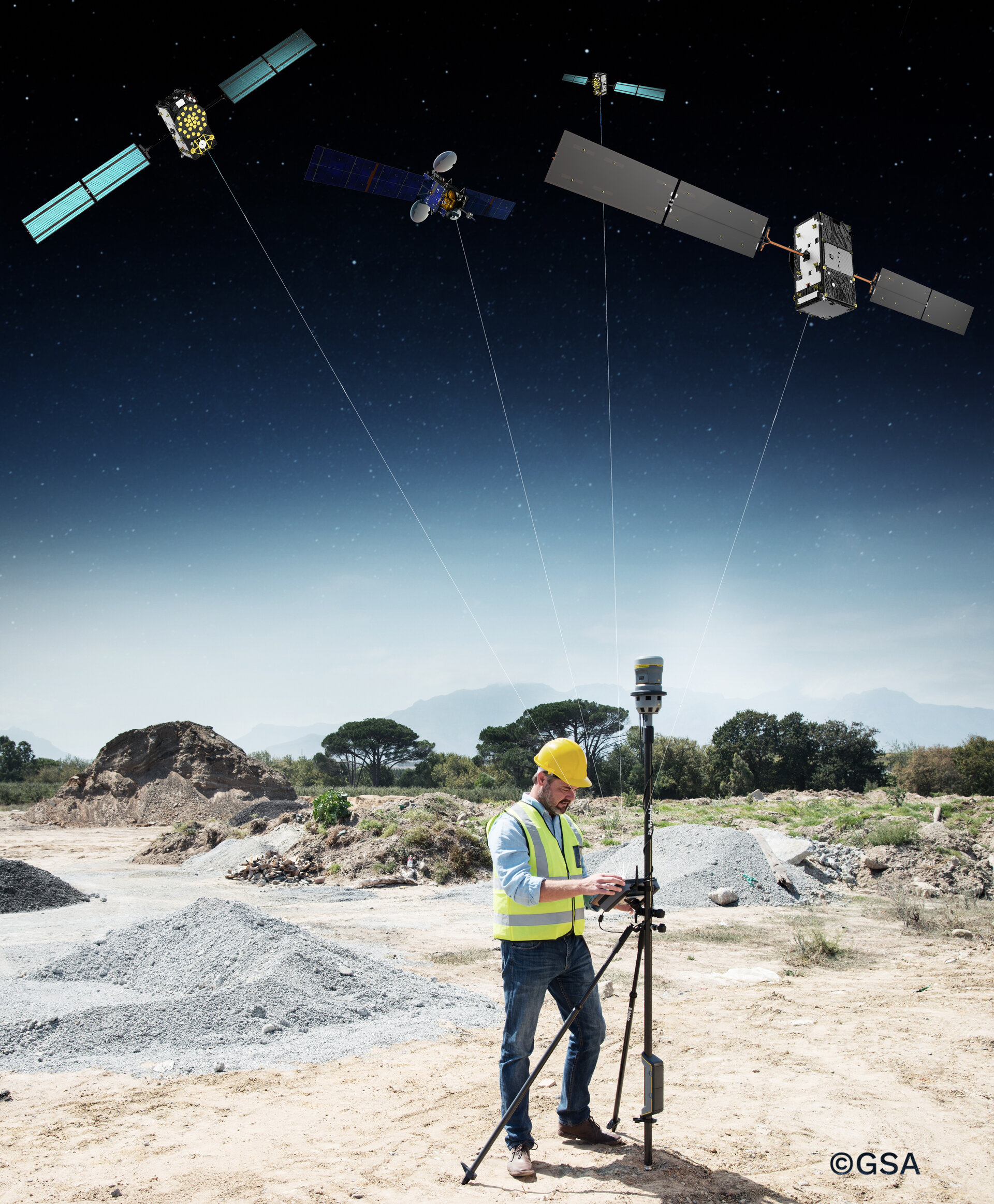
The landscape of satellite navigation is evolving rapidly, and GNSS system trends: next-generation satellite navigation are at the forefront of technological innovation. Global Navigation Satellite Systems (GNSS) have become essential for a wide range of applications, from personal navigation to autonomous vehicles, precision agriculture, and smart city infrastructure. Understanding the latest trends can help industries and governments harness the full potential of these advanced systems.
Evolution of GNSS Technology
Traditional GNSS systems, such as GPS, GLONASS, Galileo, and BeiDou, have long provided reliable positioning, navigation, and timing services worldwide. However, the next-generation satellite navigation systems are introducing significant improvements in accuracy, reliability, and resilience. Multi-frequency signals, real-time corrections, and integration with complementary technologies are shaping the future of satellite navigation.
Key Trends in Next-Generation Satellite Navigation
1. Multi-Constellation and Multi-Frequency Integration
One of the most prominent GNSS system trends: next-generation satellite navigation is the integration of multiple constellations and frequency bands. By combining GPS, Galileo, BeiDou, and GLONASS signals, devices can achieve centimeter-level accuracy even in challenging environments, such as urban canyons and dense forests. Multi-frequency usage also reduces signal interference and improves reliability.
2. Real-Time Kinematic (RTK) and Precise Point Positioning (PPP)
Advanced GNSS techniques, including RTK and PPP, are becoming more widespread. These methods enable highly accurate positioning, critical for autonomous vehicles, drone navigation, and precision agriculture. With real-time data corrections from ground stations or satellite-based augmentation systems, next-generation GNSS solutions are pushing the boundaries of precision.
3. Integration with AI and IoT
The convergence of GNSS with AI and the Internet of Things (IoT) is another important trend. Smart devices can now process GNSS data in real time, optimizing route planning, traffic management, and resource allocation. This integration transforms satellite navigation from a passive positioning tool into an active decision-making system.
4. Enhanced Resilience and Cybersecurity
Modern GNSS systems are being designed to resist jamming, spoofing, and other cyber threats. Next-generation satellite navigation emphasizes resilience and security, making it suitable for critical infrastructure, defense, and emergency services.
Future Outlook
The GNSS system trends: next-generation satellite navigation point toward a future where satellite positioning becomes more precise, reliable, and integrated with emerging technologies. With continuous advancements, we can expect autonomous systems, smart cities, and precision industries to increasingly rely on GNSS for operational efficiency and safety.
As the technology progresses, staying informed about these trends will be essential for businesses, researchers, and policymakers who aim to leverage the benefits of advanced satellite navigation systems.
